⚽ Yellow card… then red: when Steven Defour confuses the pitch with the highway
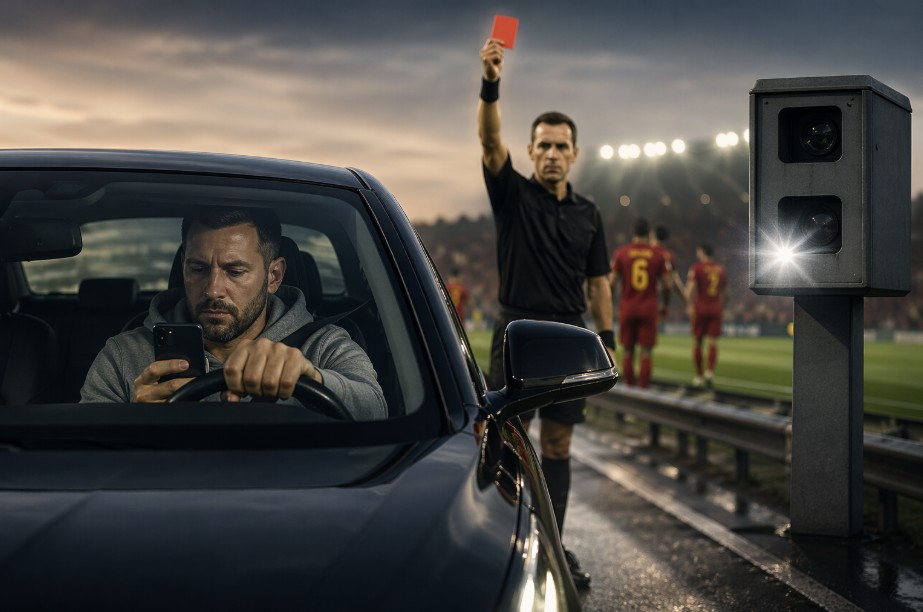
There was a time when Steven Defour controlled the tempo in midfield, dictated the game, and avoided unnecessary fouls. Today, the match is played elsewhere: no longer on the pitch, but on the asphalt… with a referee far less forgiving than those of the Belgium national football team.
🚗 A playing style… a bit too attacking on the road?
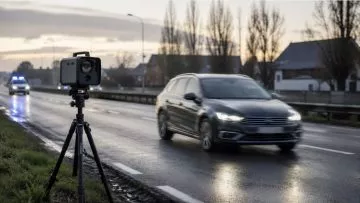
Caught driving at 122 km/h on the E40 while holding his phone, the former Red Devil has once again been sanctioned: a two-month driving ban and a €1,200 fine.
Nothing unusual?
Except for one detail: this was his thirteenth offence.
At this point, we are no longer dealing with a mistimed tackle… but with a series of repeated fouls that are seriously testing the patience of the judicial referee.
⚖️ Police court: a referee who doesn’t blow the whistle lightly
Under Belgian law, using a phone while driving is like raising your foot too high:
👉 a third-degree offence, considered dangerous.
And in case of repeat offences?
The court doesn’t immediately show a red card… but it’s getting close.
In Steven Defour’s case:
- ⚠️ clear pattern of recidivism (13 offences)
- 📱 aggravating factor (phone use while driving)
- 🚫 sanction upheld on appeal (even if slightly reduced)
The message is clear:
👉 we have entered the phase where the judge prioritises public safety over driver convenience.
🧠 From tactics… to legal strategy
Interestingly, the first-instance judge required him to retake the theoretical driving test.
On appeal, this requirement was removed.
Why?
Likely due to a classic but effective defence:
- professional need to drive
- proportionality of the sanction
👉 Football translation:
the player avoids a direct red card… but remains under close scrutiny.
📊 When repetition changes the game entirely
An occasional distracted driver?
→ minor foul.
A driver who accumulates similar offences?
→ high-risk profile, and a completely different judicial approach.
In practice, after around ten offences:
- penalties become significantly harsher
- courts may impose:
- mandatory tests (theoretical, psychological)
- longer driving bans
- or even revocation of the licence
👉 The approach shifts from educational… to deterrent.
🎯 The takeaway
On the football pitch, repeated fouls lead to exclusion.
On the road, it’s exactly the same — except the consequences can be far more serious.
Steven Defour is not alone in this situation.
But his case perfectly illustrates a key reality of Belgian traffic law:
👉 using a phone while driving is now treated as a major offence
👉 recidivism turns a simple offence into a serious legal issue
⚖️ And what about you?
If you already have several traffic offences on your record, never underestimate:
- the impact of repetition
- how judges perceive your behaviour
- the importance of a tailored defence
Because in traffic law,
👉 the real issue is not the first offence… but the next one.
👉 Are you facing a traffic offence or a repeat-offence situation? Feel free to contact me: every case deserves a tailored defence — especially when the “match” is played before the police court.