🚗 Lidar and ANPR Cameras in Wallonia: Towards Expanded Automated Road Enforcement?
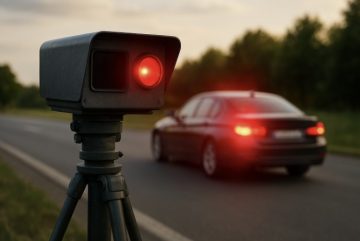
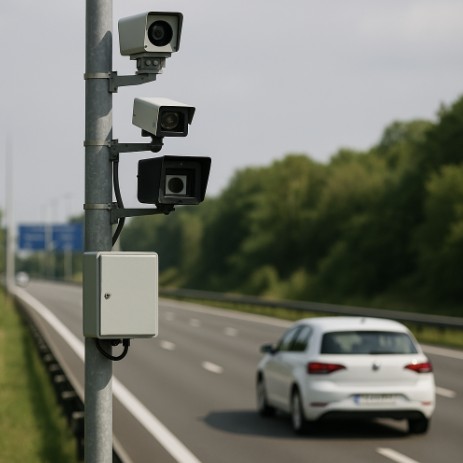
Wallonia is considering equipping certain motorway devices — notably Lidar speed control systems — with ANPR cameras (Automatic Number Plate Recognition).
👉 This development marks a new step in the automation of road traffic enforcement.
⚙️ How Does an ANPR System Work?
The technological principle is relatively straightforward:
📸 Automatic number plate reading
🚘 Vehicle identification
🕒 Precise timestamping
📍 Geolocation
🔎 Cross-checking with various databases (vehicle registration, insurance, technical inspection, etc.)
Until now, these systems have mainly been used for:
-
🚦 Speed control (section control)
-
🚔 Detecting stolen vehicles
-
🛡 Enhancing road safety
The new element lies in the potential expansion of their uses.
📑 What Offences Could Be Detected in the Future?
Once a licence plate is identified, additional software modules can technically be integrated to detect other types of offences.
🚘 Possible traffic offences
-
❌ Lack of valid insurance
-
❌ Missing technical inspection
-
💰 Non-payment of road taxes
-
⛔ Vehicle subject to a driving ban
-
🌍 Non-compliance with Low Emission Zones (LEZ)
-
🚛 Specific infringements concerning heavy goods vehicles (size or route restrictions)
⚖ Administrative or criminal offences
-
🔍 Vehicle flagged in a judicial investigation
-
🚫 Breach of a professional driving ban
⚠️ Important:
What is technically possible is not automatically legally authorised.
Each use must be based on a specific legal framework.
🔄 What Is Actually Changing?
📡 Increased automation
We are witnessing a shift:
-
from occasional checks
-
to permanent and systemic monitoring
👉 The likelihood of being checked becomes constant and invisible.
🛑 What does not change
Even within an automated system, fundamental principles remain:
✔ A clear legal basis
✔ A valid and lawful procedure
✔ Compliance with GDPR
✔ Limited data retention periods
In Belgium, ANPR systems are already regulated by:
-
legislation governing the integrated police service
-
the Camera Act
-
European data protection rules
Data cannot be retained indefinitely.
⚖ The Key Legal Issues
The expansion of ANPR systems raises important legal questions.
🎯 1. Purpose limitation
-
Road safety?
-
Tax enforcement?
-
Criminal investigation?
The main concern is “function creep” — the gradual extension of purposes beyond the original objective.
⚖ 2. Proportionality
Is mass monitoring proportionate to the objective pursued?
The shift from suspicion-based control
➡ to generalised monitoring
represents a significant legal evolution.
🧾 3. Evidence
An automated system must be:
-
reliable
-
properly approved
-
regularly calibrated and monitored
Technical errors in plate recognition or data matching remain possible.
🔐 4. Data protection
Sensitive issues include:
-
data retention periods
-
database interconnection
-
access to data
-
traceability of processing
👤 What Does This Mean for Drivers?
It is likely that we will see:
📈 An increase in automated fines
⚡ Faster detection of administrative irregularities
👮 Fewer visible roadside checks
However:
-
This does not amount to immediate “total surveillance”
-
Each new automated enforcement mechanism requires a specific legal basis and implementing regulations
📊 A Structural Trend
We are witnessing a broader shift:
🚦 From traditional traffic enforcement
➡ to automated compliance management of vehicles
This European trend is driven by:
-
💶 budgetary efficiency
-
🖥 administrative digitalisation
-
🚘 road safety
-
📡 automation of public enforcement
🏛 Why This Requires Legal Attention
Automation does not eliminate:
-
procedural safeguards
-
evidentiary requirements
-
judicial oversight
On the contrary, legal debate increasingly focuses on:
⚖ the legality of database use
📡 system reliability
📏 proportionality of monitoring
🔐 protection of fundamental rights
📞 Need Advice or Legal Assistance?
Do you have questions regarding ANPR or Lidar systems, or are you involved in road traffic proceedings?
I advise and defend clients in road traffic law matters, ensuring strict compliance with procedural safeguards and legal standards.
Feel free to contact me for further information or for an individual assessment of your situation.