🚗 Influencer at 300 km/h: how far can the quest for views go?
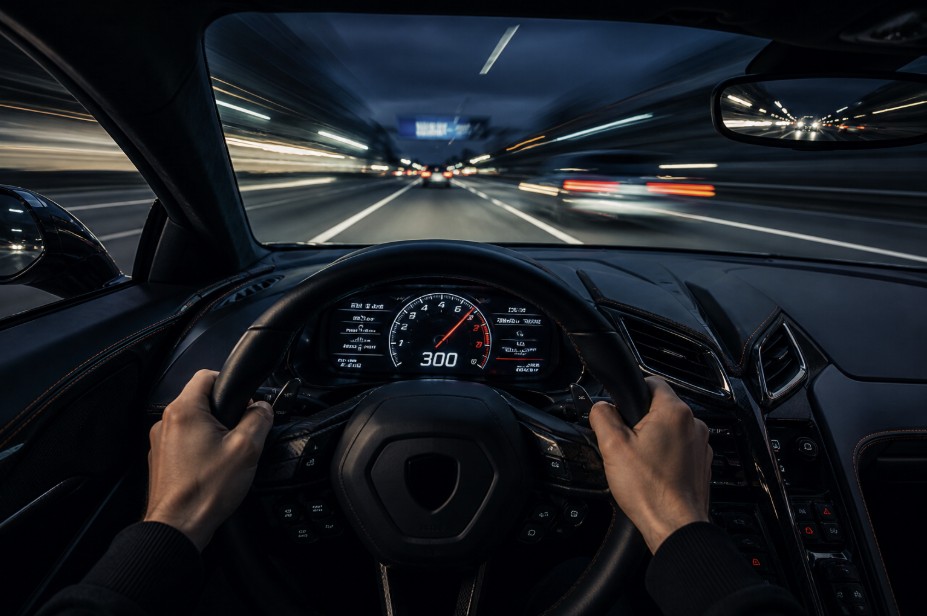
On certain highways in Germany, influencers film themselves driving at speeds exceeding 300 km/h. The footage is spectacular. Views skyrocket.
But behind these viral videos, one crucial question arises: where is the line between engaging content and dangerous behavior?
🎥 When speed becomes content
On platforms such as YouTube, Instagram, and TikTok, the formula is simple:
- a high-performance car
- an open highway
- an onboard camera
- and a surge of adrenaline reaching extreme speeds
👉 The result: hundreds of thousands — sometimes millions — of views.
Some creators claim they aim to showcase engineering and performance. They often include disclaimers advising viewers not to imitate what they see.
However, in reality, risk becomes a tool for audience growth.
🇩🇪 Why do these videos exist?
Germany holds a unique position in Europe:
- certain sections of highways have no general speed limit
- driving at very high speeds is not automatically illegal
That said, this does not mean complete freedom:
- drivers must remain in control of their vehicle
- they must adapt their speed to road conditions
👉 In practice:
- enforcement remains limited in such cases
- prosecution is difficult without clear evidence of an offence
➡️ This creates a legal grey area that allows such content to exist.
⚠️ A real danger, even without accidents
To date, no accident directly linked to these videos has been formally recorded.
But that does not mean the risk is absent.
1. Illusion of control
On screen, everything appears under control.
👉 In reality, at 300 km/h:
- braking distance becomes extreme
- any unexpected event becomes unmanageable
2. Imitation effect
These videos may:
- normalize extreme behavior
- create the impression that “it’s doable”
- encourage drivers to test their limits
👉 This is a well-known mechanism:
what is seen repeatedly tends to become accepted.
3. Diffuse responsibility
Even without direct intent, such content contributes to:
- normalizing excessive speed
- turning danger into entertainment
🇧🇪 And what about Belgium?
The situation would be radically different.
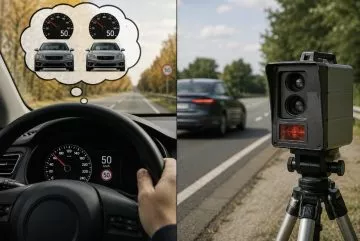
👉 Driving at 300 km/h on a Belgian highway leaves no room for interpretation.
🚫 A major offence
- speed limit: 120 km/h
- extreme excess
➡️ Qualification: most serious category of traffic offence
⚖️ Severe penalties
Such behavior may lead to:
- immediate driving ban
- court appearance
- substantial fines
- driving disqualification
- possible vehicle confiscation
👉 And in case of endangerment: aggravated penalties
🎥 The video becomes evidence
Contrary to what some believe:
👉 posting the video does not protect you
On the contrary:
- easier identification
- usable evidence in court
- possible self-incrimination
➡️ Filming the offence can strengthen the case against you.
⚖️ Influencers: responsibility beyond driving?
A growing legal question:
👉 can an influencer be held liable if someone imitates their behavior?
Under Belgian law:
- civil liability is theoretically possible
- but difficult in practice (proof of causation)
👉 The debate is ongoing.
🔍 Beyond traffic law
The issue goes further than road safety.
We are facing a system where:
- risk attracts attention
- attention generates revenue
- platforms amplify extreme content
👉 As long as this model persists,
such videos will continue to appear.
🧾 Conclusion: the danger of “speed as spectacle”
These videos fascinate. They impress.
But they raise a fundamental question:
how far can one go to capture attention?
In Belgium, the legal answer is clear:
👉 such behavior is heavily sanctioned
And beyond the law, one thing remains certain:
on the road, spectacle can quickly turn into tragedy.
💬 Need legal advice?
If you are facing a traffic offence or legal proceedings,
each situation requires a precise and strategic assessment.
👉 Feel free to contact me to protect your interests.