🚨 Refusing an alcohol or drug test: is it really worse than a positive result?
Many drivers believe that refusing an alcohol or drug test is a way to avoid evidence.
In practice, this strategy often leads to more severe consequences than a positive result.
Here is what you need to know under Belgian road traffic law.
⚖️ 1) Legal basis: refusal is a separate offence
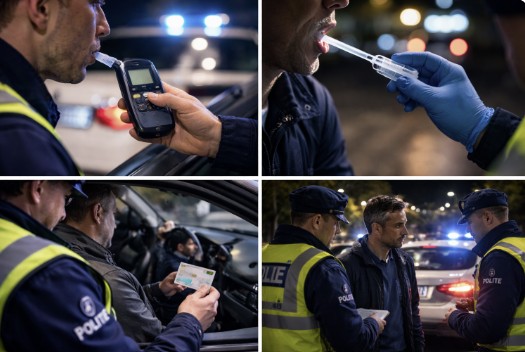
In Belgium, drivers are legally required to cooperate with:
-
a breath test or breath analysis for alcohol,
-
a saliva test or blood test for drugs.
❗ Refusing to undergo the test constitutes a criminal offence in itself, regardless of whether you were actually under the influence.
The refusal is treated as an attempt to avoid official findings.
📊 2) Refusal vs positive test: which is worse?
🔴 Refusal
Typically leads to:
-
mandatory court appearance,
-
driving ban (often significant),
-
criminal fine (plus surcharges),
-
possible additional measures (medical or psychological examinations).
Courts generally consider refusal serious, as it prevents objective verification.
🟠 Positive alcohol test
Sanctions depend on the level:
-
0.22 – 0.35 mg/l: administrative fine (usually no court)
-
0.35 – 0.65 mg/l: criminal level, possible driving ban
-
Above 0.65 mg/l: severe sanctions and longer disqualification
In some cases, a transaction or immediate settlement may be possible.
👉 In practice, refusal often leads to stricter and less flexible outcomes than many positive results.
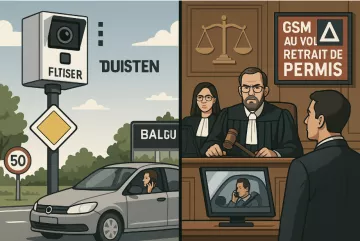
⛔ 3) Immediate driving licence suspension
In both situations (refusal or serious positive result), the police may impose:
-
immediate licence withdrawal (typically 15 days),
-
extension by the public prosecutor,
-
possible longer driving ban ordered by the court.
For many drivers, the professional impact is immediate and significant.
📁 4) Criminal and administrative consequences
Possible consequences include:
-
criminal conviction,
-
high fines (plus additional surcharges),
-
driving disqualification,
-
mandatory medical and/or psychological examinations,
-
new driving tests,
-
insurance consequences,
-
possible professional difficulties.
⚖️ 5) Court practice and trends
In practice, courts often:
-
treat refusal as a deliberate obstruction,
-
impose systematic driving bans,
-
order additional assessments (medical or psychological),
-
apply stricter measures than for moderate alcohol levels.
The reasoning is simple: refusal prevents objective measurement and raises suspicion.
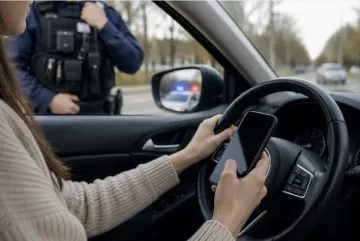
🚔 6) What to do during a police check?
If you are stopped:
✔ Stay calm and cooperative
✔ Follow police instructions
✔ Avoid confrontation or refusal
✔ Be aware that refusal usually worsens your legal position
If you have doubts about the procedure, this can be analysed afterwards — but refusal at the roadside is rarely a good strategy.
✔️ Key takeaway
Many drivers think refusal protects them.
In reality, it often leads to:
➡️ court proceedings
➡️ longer driving bans
➡️ heavier overall consequences
In most situations, refusal is legally riskier than a positive test.
📞 Need legal advice?
Have you refused an alcohol or drug test?
Has your licence been immediately withdrawn or have you been summoned to court?
👉 Contact me as soon as possible to assess your situation and define the most effective defence strategy.
Early legal assistance can significantly influence the outcome.