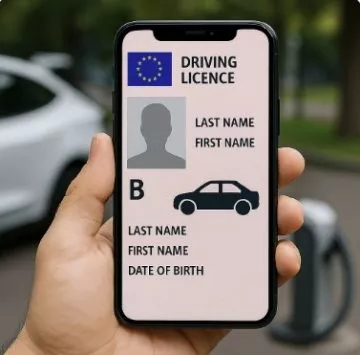

Driving licence: new anti-fraud measures – what candidates need to know
Driving test centres are strengthening their controls to combat fraud and abuse. Several important changes are currently being introduced, mainly in Flanders. Here is what you need to know and what it means in practice.
🎯 Why these new measures?
In recent years, test centres have reported an increase in fraud attempts, including:
-
👤 identity fraud (someone else taking the test on your behalf),
-
📅 bookings made by third parties,
-
📚 illegal sharing of exam questions,
-
📱 use of prohibited electronic devices.
The objective is clear: ensure fairness between candidates and maintain the reliability of the system.
🔐 Registration via Itsme: verified identity from the start
In an increasing number of Flemish test centres, registration must now be completed via the digital identification app itsme.
In practice:
-
your identity is verified when booking the appointment,
-
the person who registers must be the one who attends the exam,
-
registration under a false identity becomes virtually impossible.
Around half of the Flemish centres already use this system, and further rollout is expected.
🧠 Theory test: more variety and less predictability
To prevent memorisation of fixed questionnaires, the theory exam has also been updated:
-
📊 an expanded database of around 1,700 questions (previously 600–700),
-
🔄 fixed series have been removed,
-
🎲 questions are randomly selected for each exam,
-
🔀 the order of answer options may vary.
The aim is to assess real understanding of traffic rules.
📍 Mainly implemented in Flanders (for now)
At this stage:
-
Flanders: progressive implementation,
-
Wallonia and Brussels: no comparable general rollout announced yet.
However, future harmonisation cannot be excluded.
⚠️ What does this mean for candidates?
Candidates should be particularly careful to:
-
register personally for the exam,
-
ensure access to digital identification if required,
-
avoid any third-party “assistance” with bookings,
-
focus on proper preparation rather than memorising question lists.
In case of fraud or suspicion of fraud, the exam may be cancelled and administrative measures may follow.
🔎 Towards stricter controls
These changes reflect a broader trend:
-
stricter identity checks on the day of the exam,
-
increased monitoring for electronic devices,
-
further digitalisation of procedures.
While these measures improve security, they may also create practical challenges for some candidates, particularly regarding digital access.
✔️ Key takeaways
-
🔐 Stronger digital identification
-
🎲 Randomised and expanded theory questions
-
🚫 Zero tolerance for fraud
-
📈 Increasingly secure procedures
The best approach remains thorough preparation and transparent registration.
📩 Are you facing a traffic law issue ? Feel free to contact me for personalised and effective legal assistance.